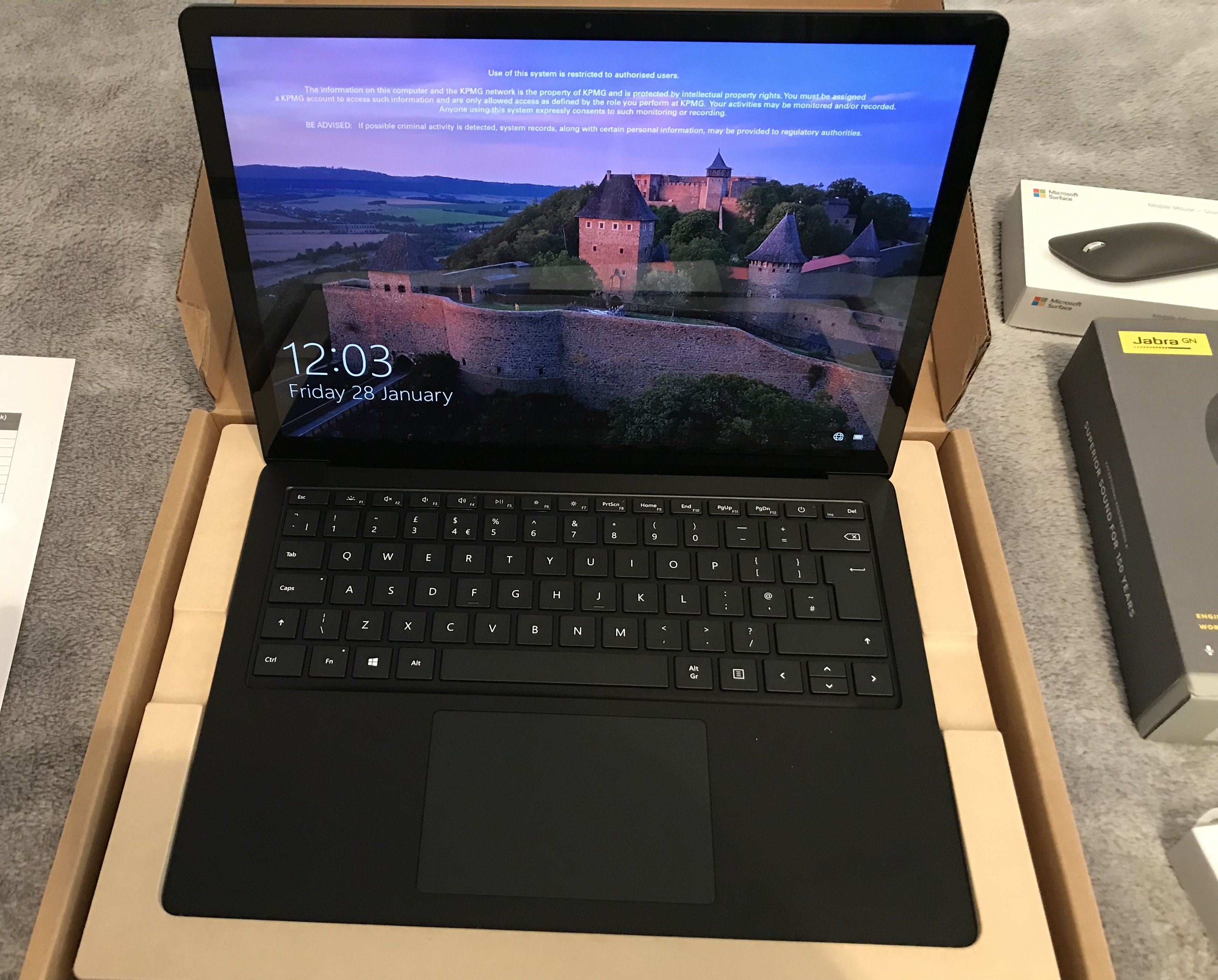
When you provide IT services to one of the "Big Four" accounting firms, standard technical support rules don't apply. For three years, I was part of a dedicated Polish team handling exclusive 2nd Line Remote Support for KPMG UK, acting under a massive enterprise contract via global IT provider Hemmersbach.
On our internal project—named TRIAGE—our team served as the definitive resolution layer. For over 90% of all deep technical issues that came our way, we were the final stop. We weren't a pass-through desk; we owned the problem until the user was fully back online.
Crushing Razor-Thin SLAs
In a global enterprise environment, clocking out without a fix isn't an option. Financial consultants, auditors, and senior partners rely on zero-friction uptime to keep million-dollar accounts moving forward safely.
Averaging over 150 complex cases per month per engineer, our team maintained an exceptional **80% First-Contact Resolution (FCR)** rate. We operated under relentless Service Level Agreements (SLAs), proving that high volume and high technical accuracy can go hand in hand if your team handles workflow properly.
Partnering with 3rd Line Teams on Our Terms
When an issue did require us to reach out to 3rd Line engineering or specialized software developers, the dynamic was highly collaborative. We didn't simply dump the ticket and run.
Instead, we diagnosed the root cause, pulled the necessary system logs, and engaged directly with the dev teams. Once they issued a global patch or a custom hotfix, the ticket returned to us. We were the ones responsible for deploying the patch, testing the stability in the user's local environment, and verifying the final resolution. We maintained absolute ownership from start to finish.
Our Core Technical Battlefield
Keeping thousands of corporate endpoints stable required a broad and reliable infrastructure skill set. On any given shift, our operational scope covered several core pillars:
- Active Directory Governance: Architecting permissions, provisioning corporate infrastructure accounts, managing security groups, and enforcing enterprise compliance standards.
- Virtualization Tuning (VDI/VM): Provisioning new instances, installing mission-critical software on Windows Server, and performance-tuning remote desktop environments.
- Secure Remote Connectivity: Remotely isolating and repairing global connection faults over Cisco AnyConnect and Palo Alto GlobalProtect VPN networks.
- Database & Telemetry Audits: Utilizing SQL Server Management Studio (SSMS) to extract data and audit endpoint configurations, alongside core network diagnostics (DNS/TCP/IP).

Driving Velocity with PowerShell
With a case volume this high, manual repetition is a massive bottleneck. To keep our resolution times exceptionally low, I focused heavily on developing custom **PowerShell** and **CMD scripts**.
By automating repetitive tasks—like software deployments, user profile rejuvenations, and network configurations—we turned complex 20-minute troubleshooting sessions into automated 10-second background actions. This emphasis on scripting allowed our team to keep the queue lean and keep our SLA numbers green.