
After years of optimizing massive industrial automation software for manufacturing floors and managing high-stakes infrastructure tickets for KPMG UK, I realized something: small businesses need the same level of technical competence — but they're not getting it.
Most small businesses are stuck with generic IT support that either doesn't understand their workflow or relies on expensive, templated solutions that don't fit. They don't have a dedicated internal team, and they can't afford enterprise-level consulting.
That's why I started building custom systems.
The Most Visible Example: eEmployee by WojSys
I developed a complete employee management system built from scratch in PHP. It handles login, holiday tracking, sick leave requests, and includes a full administrative panel. The system exports structured data directly to SharePoint, enabling seamless payroll reporting and workforce visibility for a live construction company.
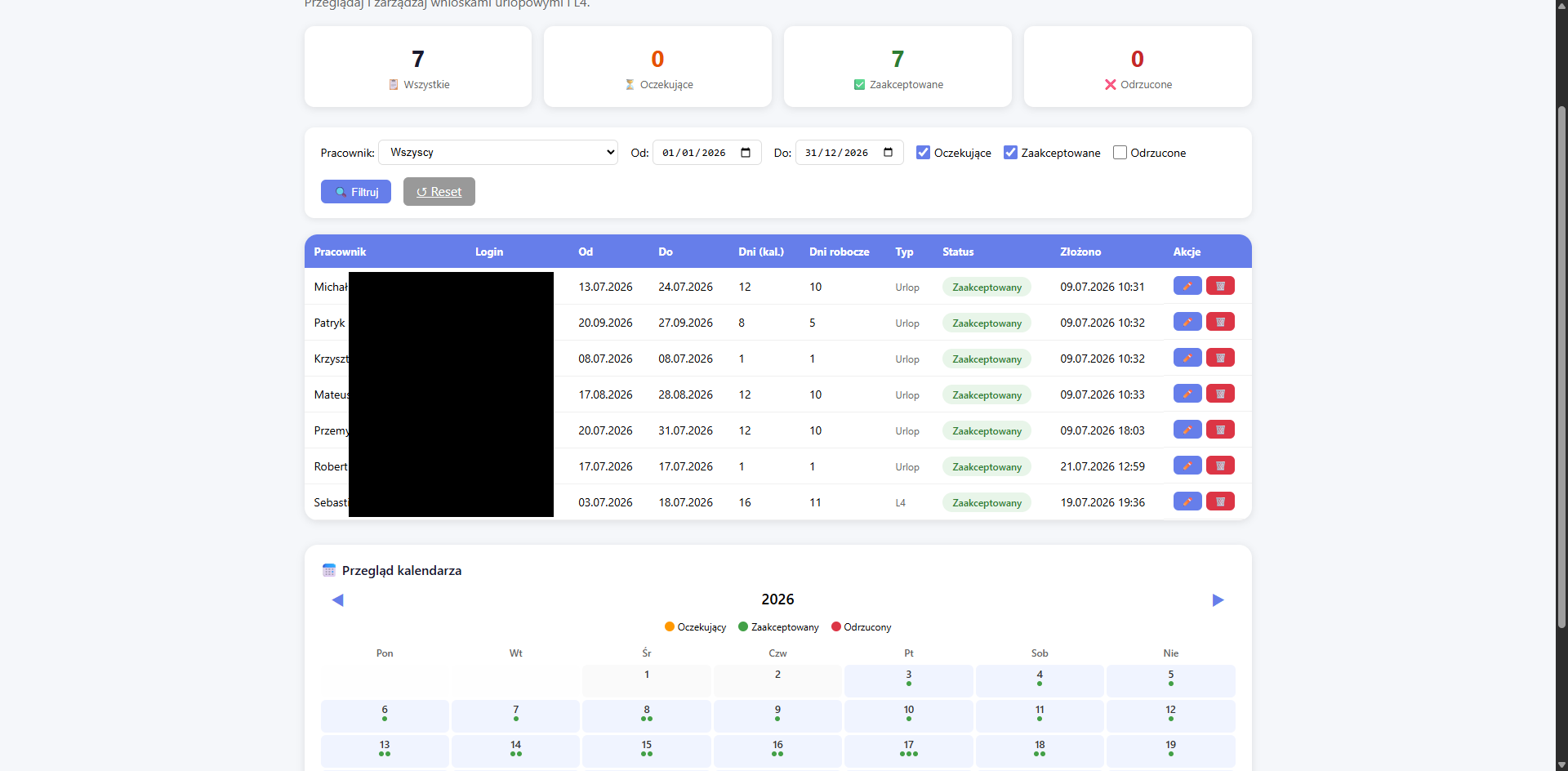
eEmployee Admin Panel — managing holiday requests, approvals, and employee data in one place.
Reporting & Payroll Export
The system also generates detailed reports for payroll, tracking hours, locations, and overtime.
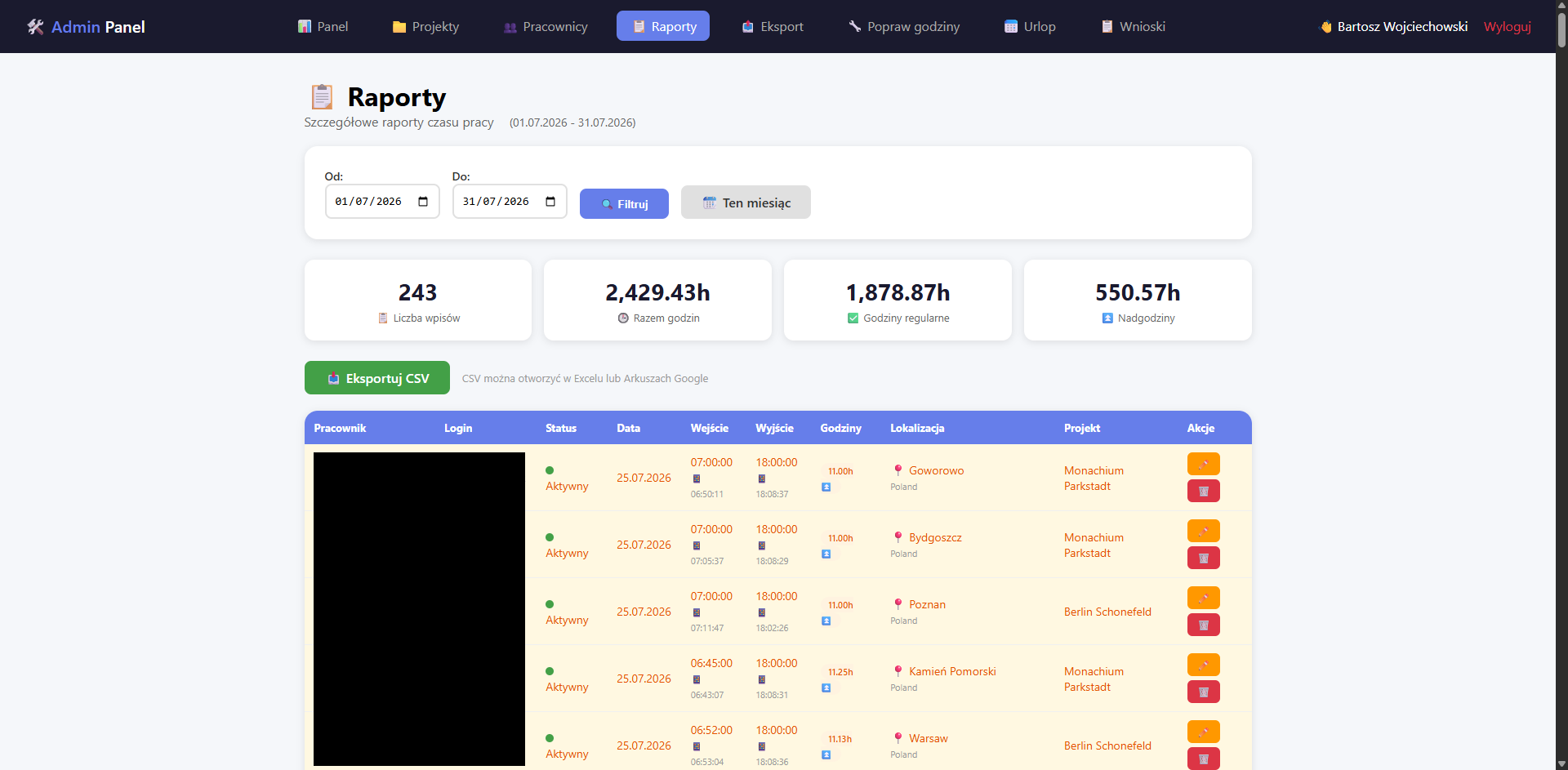
eEmployee Reports — detailed work logs with location, project, and overtime data ready for payroll.
Microsoft 365 & SharePoint Architecture
I also set up the entire Microsoft 365 environment from zero: domain verification, email migration, Teams workspaces, OneDrive, and SharePoint architecture — centralizing operations and eliminating manual workflows.
Ready to Expand
eEmployee is already live for a construction company with over 20 employees. It tracks daily logins, manages holiday requests, and generates monthly reports. The system is built to be adapted for other businesses — with custom features added on request.
The common thread is this: I don't just fix problems. I build systems that prevent them. Whether it's a custom web application, a cloud infrastructure setup, or an automation script, the goal is always the same: reduce friction and give the business a working solution, not a temporary patch.